Buy High-quality frozen pork ears in bulk. Ideal for pet treats and traditional cuisine. Competitive wholesale export prices for global buyers.
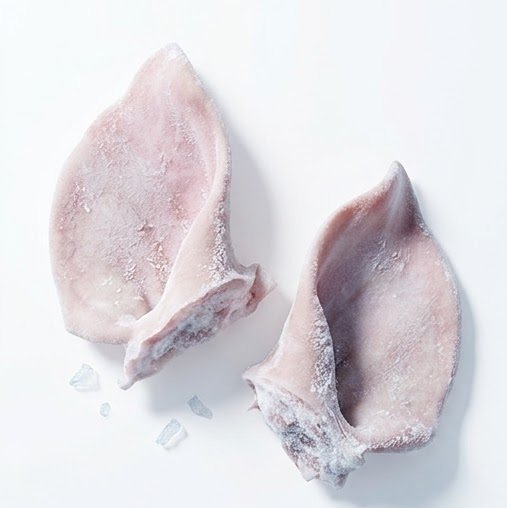
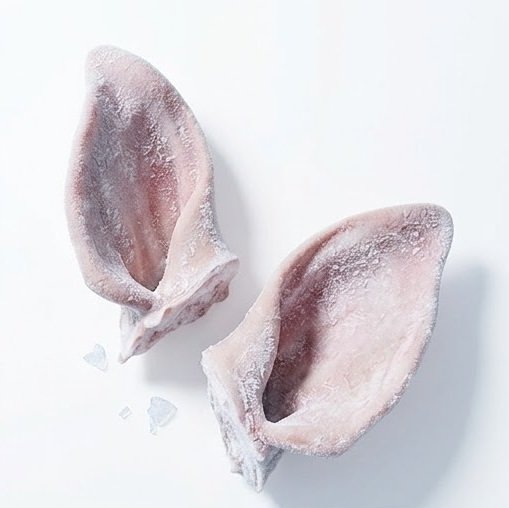
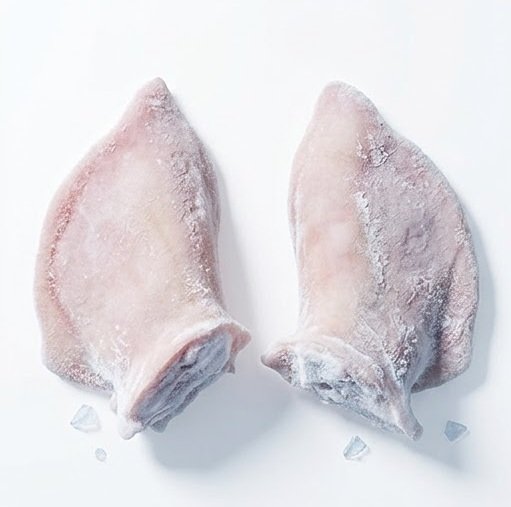

Pork ears come from the head section of the pig, consisting mostly of cartilage and skin. This composition gives the product a chewy, collagen-rich texture once cooked or dried. Buyers source frozen pork ears for two distinct markets: pet treats and traditional culinary dishes. Freezing preserves the product’s texture while allowing suppliers to distribute it across global markets. Buyers purchasing frozen pork ears wholesale gain access to a versatile, dual-purpose product line. This item suits pet treat manufacturers, specialty butchers, and importers serving traditional food markets. Sourcing from an established supplier helps maintain consistent trimming and quality across every shipment.
Supplier of Frozen Pork Ear Products
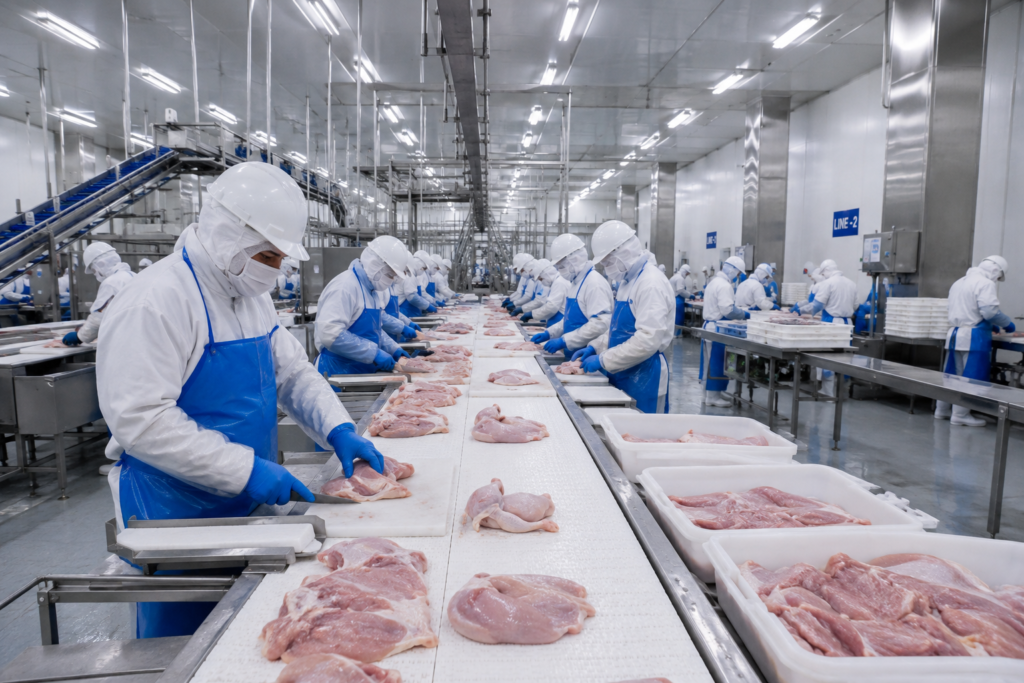
Finding a dependable pork ear supplier starts with checking their cleaning and trimming standards. A reliable supplier removes excess hair and residual matter thoroughly before freezing occurs. Buyers should ask suppliers directly about their specific cleaning processes before placing orders. This information helps buyers confirm the product meets hygiene expectations for their end use. Suppliers serving dual markets, pet treats and culinary use, should clarify processing differences between them. Pet treat-grade ears may require different handling than ears intended for human consumption. Requesting sample batches helps buyers verify quality claims before committing to larger orders. Choosing a supplier transparent about processing standards protects buyers’ own product reputation.
Frozen Pork Ears for Export
Exporting frozen pork ears requires meeting destination-country regulations specific to this product category. Many countries apply particular inspection standards for byproducts like ears compared to standard cuts. Exporters should provide proper documentation, including health certificates and origin records, with every shipment. International buyers should verify these documents align with their country’s specific import requirements. Cold chain management remains critical throughout transport, given the product’s cartilage and skin composition. Temperature fluctuations during shipping can affect both texture and safety upon arrival. Buyers benefit from working with exporters experienced in navigating byproduct-specific customs procedures. This experience helps reduce delays and supports smoother international transactions overall.
Frozen Pork Ears Commercial Trade
Commercial trade in pork ears connects processors, distributors, and manufacturers across different market segments. Buyers operating at commercial scale typically require consistent volume commitments from their suppliers. This consistency supports pet treat companies producing packaged products for retail distribution. Suppliers serving commercial trade clients often provide detailed specifications regarding size and trimming. These specifications help buyers ensure the product meets their specific manufacturing requirements. Buyers should discuss volume expectations and delivery frequency before entering a trade agreement. Strong commercial trade relationships often lead to more favorable pricing over time. Building these partnerships supports long-term stability for businesses relying on steady ear supply.
Frozen Pork Ears Manufacturing Supply
Manufacturers using pork ears as a raw material need consistent supply for production planning. Pet treat manufacturers typically dry or bake ears as part of their production process. This process requires ears trimmed to consistent sizes for uniform cooking or drying results. Suppliers serving manufacturers should confirm specifications regarding size, thickness, and cartilage content. Consistent specifications help manufacturers maintain uniform product quality across every production batch. Buyers should request documentation confirming ears meet safety standards relevant to pet food production. Suppliers experienced in manufacturing supply understand these regulatory and consistency requirements well. Partnering with a specialized supplier supports manufacturers aiming for consistent finished product quality.